How Often Should a Commercial Office Be Professionally Cleaned?
Most offices need professional cleaning several times a week, but the right schedule depends on traffic, size, restrooms, and floor type. Here's how to figure out yours.

There is no single answer that fits every workplace, but here is the short version: most offices need professional cleaning somewhere between two and five times a week, and higher-traffic offices often need daily service. The right number depends on how many people use the space, how many visitors come through, and how the restrooms, breakrooms, and floors hold up between visits.
A useful way to think about it is by task, not by a fixed calendar. High-touch and hygiene-sensitive areas, like restrooms and breakrooms, tend to need attention every day the office is open. General office areas, hallways, and common spaces usually need several visits a week depending on foot traffic. Lower-use rooms, storage areas, and rarely-booked conference rooms can often be handled weekly. Deeper work, like carpet care, floor maintenance, and window cleaning, is usually monthly, quarterly, or scheduled around actual wear rather than the calendar.
None of that is a rigid rule. The right schedule for a given office depends on employee count, visitor traffic, square footage, restroom count, whether there's a breakroom or kitchen, the type of flooring, the industry, hours of operation, shared spaces with other tenants, and even the season. The rest of this guide walks through each of those factors and gives you a practical framework for building a schedule that actually matches how your office is used.
How Often Should an Office Be Professionally Cleaned?
For most professional offices, two to five professional cleanings a week is a reasonable starting range. A small office with a handful of employees and light visitor traffic might do fine with two or three visits a week, focused on restrooms, trash, and floors. A busier office with dozens of employees, regular client visits, or a shared building lobby often needs service every weekday, sometimes with a lighter midday touch-up on top of an evening clean.
The honest answer is that frequency should follow use, not the other way around. An office that looks the same on a slow Tuesday as it does after a full week of meetings and client visits is probably being cleaned on the right schedule. An office where the restroom looks fine Monday morning but rough by Thursday afternoon is a sign the current frequency isn't keeping up.
What Determines Office Cleaning Frequency?
A handful of factors do most of the work in setting the right schedule for a specific office.
- Number of employees. More people in the space means more trash, more restroom use, and more surfaces that pick up dust and fingerprints.
- Daily visitors. Client meetings, deliveries, and walk-in traffic add wear to entryways, lobbies, and conference rooms beyond what staff alone would create.
- Square footage. A larger floor plan takes longer to clean thoroughly, which can push toward more frequent, shorter visits rather than one long visit.
- Shared workspaces. Open floor plans and hot-desking spread use more evenly across the whole office instead of concentrating wear in a few rooms.
- Restrooms. More restrooms, or restrooms shared with other tenants in a building, generally need daily attention regardless of the rest of the schedule.
- Breakrooms and kitchens. Food, dishes, and appliance use create cleaning needs that don't wait well until the next scheduled visit.
- Flooring. Carpet shows soil differently than hard flooring, and each has its own realistic maintenance rhythm.
- Weather and season. Wet, muddy, or high-pollen periods change how quickly entryways and floors pick up debris.
- Business type. A law office with scheduled client meetings has different needs than a customer-facing retail-style office with steady walk-in traffic.
- Operating hours. An office open extended hours or across multiple shifts accumulates more use per day than a standard nine-to-five.
Most offices don't fit neatly into one category. A small office with heavy client traffic can need more frequent attention than a larger office that's mostly back-office staff. It's worth looking at your own mix of these factors rather than assuming size alone decides the schedule.
Office Areas That May Need Daily Attention
Some areas of an office show wear quickly enough that daily attention, on days the office is open, tends to make sense for most workplaces.
- Restrooms, including restocking supplies and wiping down fixtures and surfaces
- Breakrooms and kitchens, including counters, tables, and sinks
- Trash and recycling collection throughout the space
- High-touch surfaces such as door handles, light switches, and shared equipment
- Entry areas, lobbies, and reception desks
- Shared spaces like conference rooms used daily
- Visible floor debris in main walkways and entrances
We're describing regular cleaning and tidying here, not medical-grade disinfection protocols. A daily wipe-down keeps a restroom or breakroom presentable and functional; it isn't a substitute for anything a healthcare or food-safety setting would require.
Tasks That Can Often Be Done Several Times Per Week
Below the daily tier, a lot of general office maintenance fits comfortably into a few visits a week rather than every single day.
- Vacuuming carpeted areas outside the highest-traffic zones
- General hard-floor cleaning in hallways and common areas
- Dusting shared surfaces, shelving, and equipment
- Light cleaning around workstations, where access allows
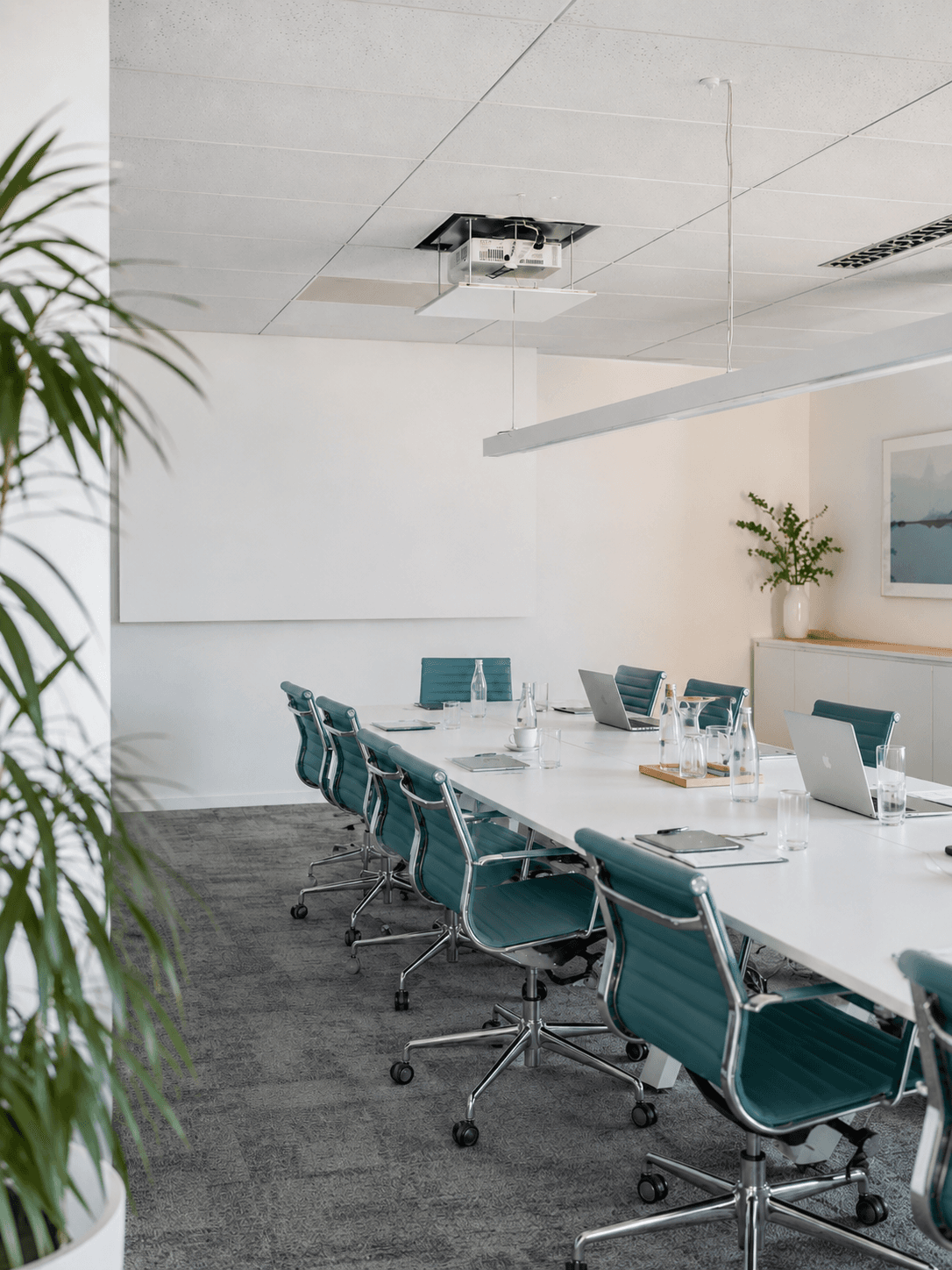
- Conference rooms not booked every day
- Common areas like break-out spaces and lounges
- Trash collection in lower-traffic areas, depending on volume
How many visits a week these tasks actually need comes down to traffic. A hallway near the main entrance and a hallway near a rarely used storage room don't need the same attention, even in the same building.
Weekly Office Cleaning Tasks
Some tasks hold up fine on a once-a-week rhythm, particularly in lower-use parts of the office.
- More detailed dusting of surfaces that don't collect debris as quickly
- Low-use rooms and storage areas
- Baseboards and other lower surfaces
- Interior glass, where appropriate for the space
- Meeting rooms that aren't booked often
- Spot detailing of areas that were missed or flagged during the week
This isn't meant as a fixed checklist to apply everywhere. A weekly task in one office might belong in the daily tier in a busier one, and the reverse is just as true.
Monthly and Periodic Cleaning Tasks
Deeper work generally doesn't need to happen every week, and trying to force it onto a weekly schedule usually isn't a good use of a cleaning budget. Monthly or periodic service tends to cover:
- Carpet cleaning, to remove soil that regular vacuuming doesn't reach
- Deeper floor care, and for hard flooring that needs it, strip and wax service
- Commercial window cleaning for glass that regular dusting can't address
- A more thorough commercial deep cleaning that covers areas outside the normal recurring scope
- High-level dusting of vents, light fixtures, and other spots outside daily reach
- Detail work in areas that don't need constant attention but shouldn't be ignored either
- Seasonal entryway cleaning, particularly heading into wetter months
How Cleaning Frequency Changes by Office Type
A small professional office with a dozen employees and no regular visitors can often run on two or three visits a week, with a lighter monthly deep-cleaning rotation layered on top.
A busy corporate office with more employees, frequent internal meetings, and steady equipment use tends to need daily service to keep pace with breakroom use, trash volume, and general wear across a larger footprint.
A customer-facing office, where clients or the public regularly walk through the lobby and waiting areas, usually benefits from daily attention to entry areas and restrooms even if the back office itself sees lighter use.
A shared or co-working environment often needs more frequent restroom and common-area service simply because more people, from more companies, are cycling through the same spaces.
A property management office tends to follow a similar rhythm to other small-to-midsize professional offices, though visitor volume can run higher around lease turnover periods.
A school administrative office is usually cleaned on a schedule that lines up with the broader school's custodial routine rather than being scheduled separately.
Restrooms and Breakrooms Usually Need More Attention
Restrooms and breakrooms tend to need more frequent service than the rest of the office for straightforward reasons: they see concentrated traffic from everyone in the building, they involve waste and food, they have more high-touch points than a typical hallway, they're more prone to odor building up between visits, and they're the areas employees and visitors notice first if something is off.
That combination is why most office cleaning schedules put restrooms and breakrooms in the daily tier even when the rest of the space is cleaned less often. We're describing routine cleaning and restocking, not health or safety claims beyond what routine service actually covers.
How Seattle Weather Can Affect Office Cleaning Needs
Seattle's wetter months bring rain, mud, and tracked-in debris that show up first at entryways and along main walking paths. Wet floors near entrances and grit carried in on shoes tend to accumulate faster during rainy stretches than during dry summer weeks.
For Seattle offices and other commercial facilities in the area, that usually means entrance mats, entryway floors, and the first stretch of hallway deserve a closer look during rainy periods, sometimes with more frequent attention than the rest of the space needs. It isn't a dramatic shift, just a practical one: the areas closest to the door work harder when the weather is working against them.
Signs Your Office Is Not Being Cleaned Often Enough
A few practical signs tend to show up before a cleaning schedule becomes an obvious problem:
- Trash cans that are regularly overflowing before the next scheduled pickup
- Visible dust building up on shared surfaces and shelving
- Floors that look dirty well before the next cleaning visit
- Restroom complaints from staff or visitors
- Odors that persist rather than clearing up after cleaning
- Breakrooms that stay messy for stretches of the week
- Marks and buildup around door handles and other high-touch spots
- An office that looks noticeably worse right before a visit than right after one
If several of these show up regularly, it's usually a sign the current frequency doesn't match how the space is actually being used, not a sign that anything drastic is wrong.
How to Create the Right Commercial Office Cleaning Schedule
Building a schedule that fits your office is a practical exercise, not a guessing game.
- Identify your high-use spaces: restrooms, breakrooms, main entrances, and any conference rooms booked most days.
- Identify your low-use spaces: storage rooms, rarely booked meeting rooms, and areas with limited foot traffic.
- Get a real read on employee and visitor traffic, including any days or hours that run noticeably busier than others.
- Separate recurring tasks from periodic ones, so carpet care and window cleaning aren't competing with daily restroom service for attention.
- Decide which tasks genuinely need daily attention versus which can hold at a few times a week or weekly.
- Run the schedule for a few weeks before treating it as final.
- Adjust based on what you actually observe, not just what seemed reasonable on paper.
The offices that end up happiest with their cleaning schedule are usually the ones that revisit it after a trial period instead of locking it in on day one and never looking at it again.
Daily vs Weekly vs Monthly Office Cleaning
| Frequency | Typical focus |
|---|---|
| Daily | Restrooms, trash, breakrooms, entryways, high-touch surfaces |
| Several times per week | Floors, common areas, conference rooms, general dusting |
| Weekly | Detail cleaning, lower-use spaces, interior glass as needed |
| Monthly / periodic | Carpet care, commercial window cleaning, deep cleaning, floor maintenance |
Frequently Asked Questions
How many times per week should an office be cleaned?
Most offices land somewhere between two and five professional cleanings a week. Smaller, lower-traffic offices can often do fine on the lower end, while busier offices with more employees and visitors tend to need service most or all weekdays.
Should an office be professionally cleaned every day?
Some offices benefit from daily service, especially larger workplaces, customer-facing offices, and any office with heavy restroom or breakroom use. Smaller, lower-traffic offices often don't need a daily visit to stay in good shape.
How often should office restrooms be cleaned?
Restrooms are one of the areas most offices clean daily, on days the office is open, because of concentrated traffic, waste, and touchpoints. Offices with more restrooms or heavier use sometimes add a midday check on top of the daily visit.
How often should office carpets be professionally cleaned?
Carpet cleaning is typically handled monthly or periodically rather than as part of the daily or weekly routine, with the exact interval depending on foot traffic and how quickly soil builds up. See our carpet cleaning page for more detail.
What should be cleaned daily in an office?
Restrooms, breakrooms and kitchens, trash and recycling, high-touch surfaces, entry areas, and any visible floor debris in main walkways are the areas most commonly cleaned daily.
How often should a small office be cleaned?
A small office with light visitor traffic can often be cleaned two or three times a week, with periodic deep cleaning layered in separately. If client visits or foot traffic pick up, that frequency may need to increase.
How do I know if my office needs more frequent cleaning?
Watch for overflowing trash before the next visit, dust building up between cleanings, restroom complaints, persistent odors, or an office that looks noticeably worse right before service than right after it. Any of these suggest the current schedule isn't keeping up with actual use.
Need professional cleaning in Seattle?
Get a free, no-pressure quote built around how your space is actually used.
Get a Free Quote