Why It Is a Different JobWhy Construction Dust Requires Detailed Cleaning
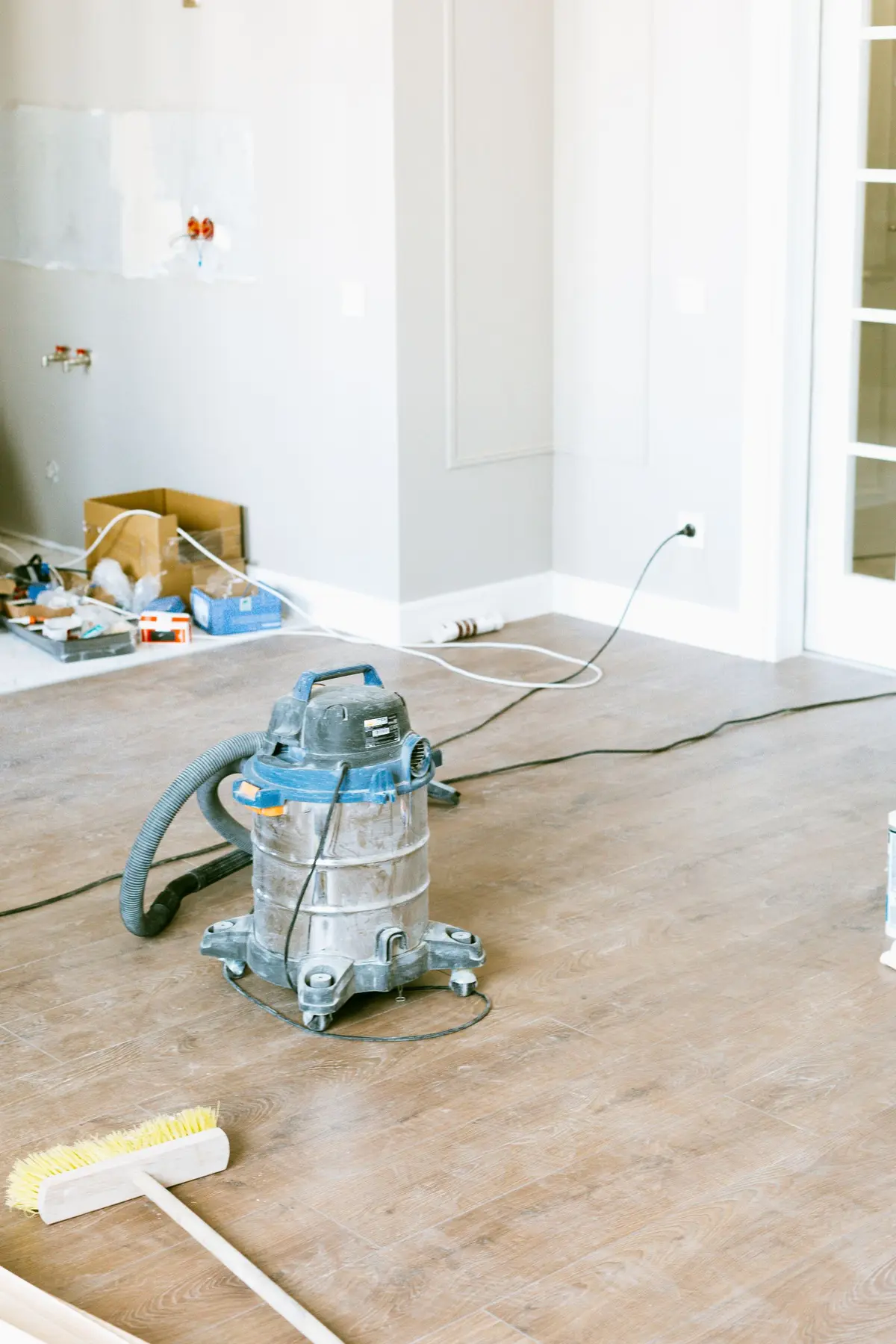
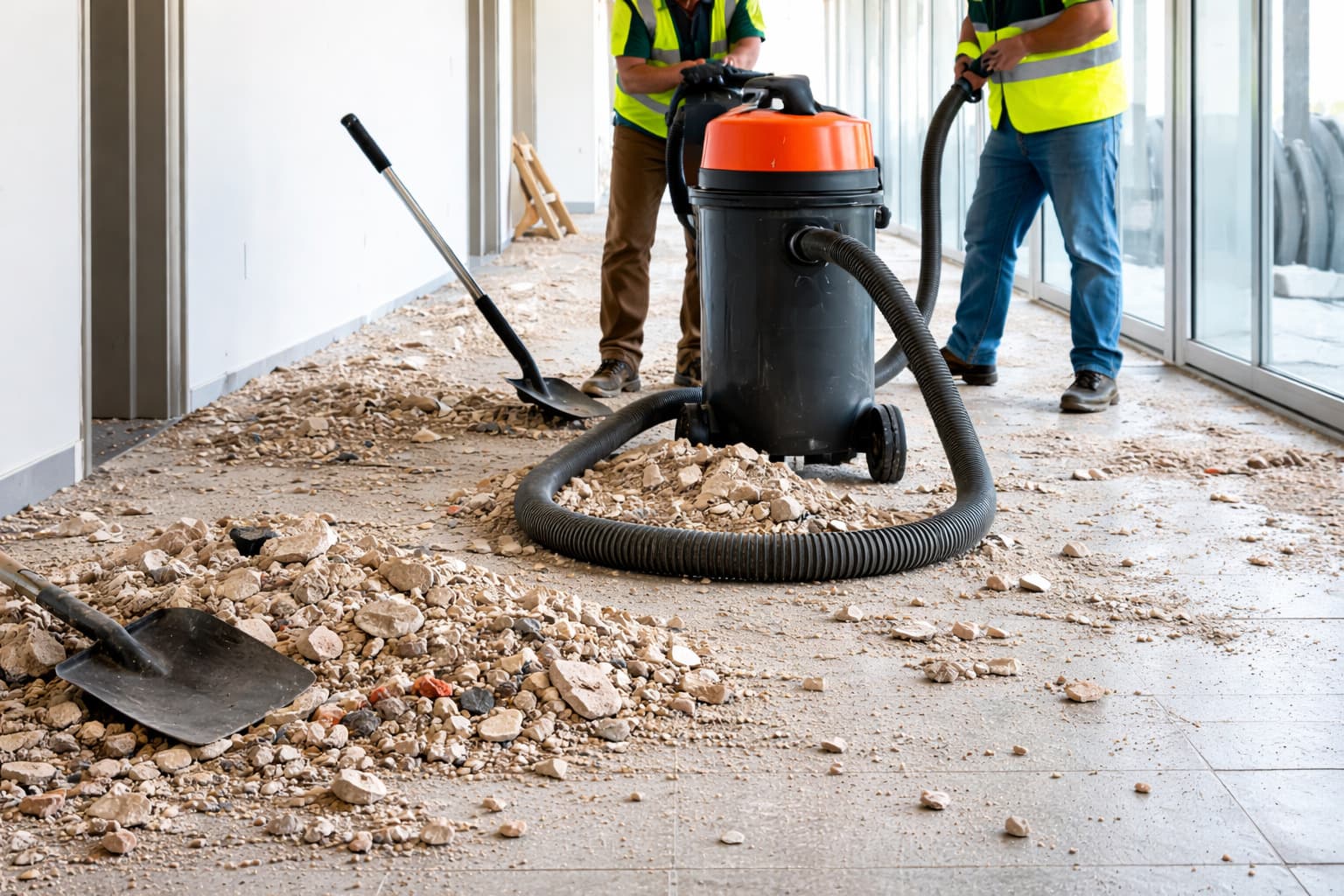
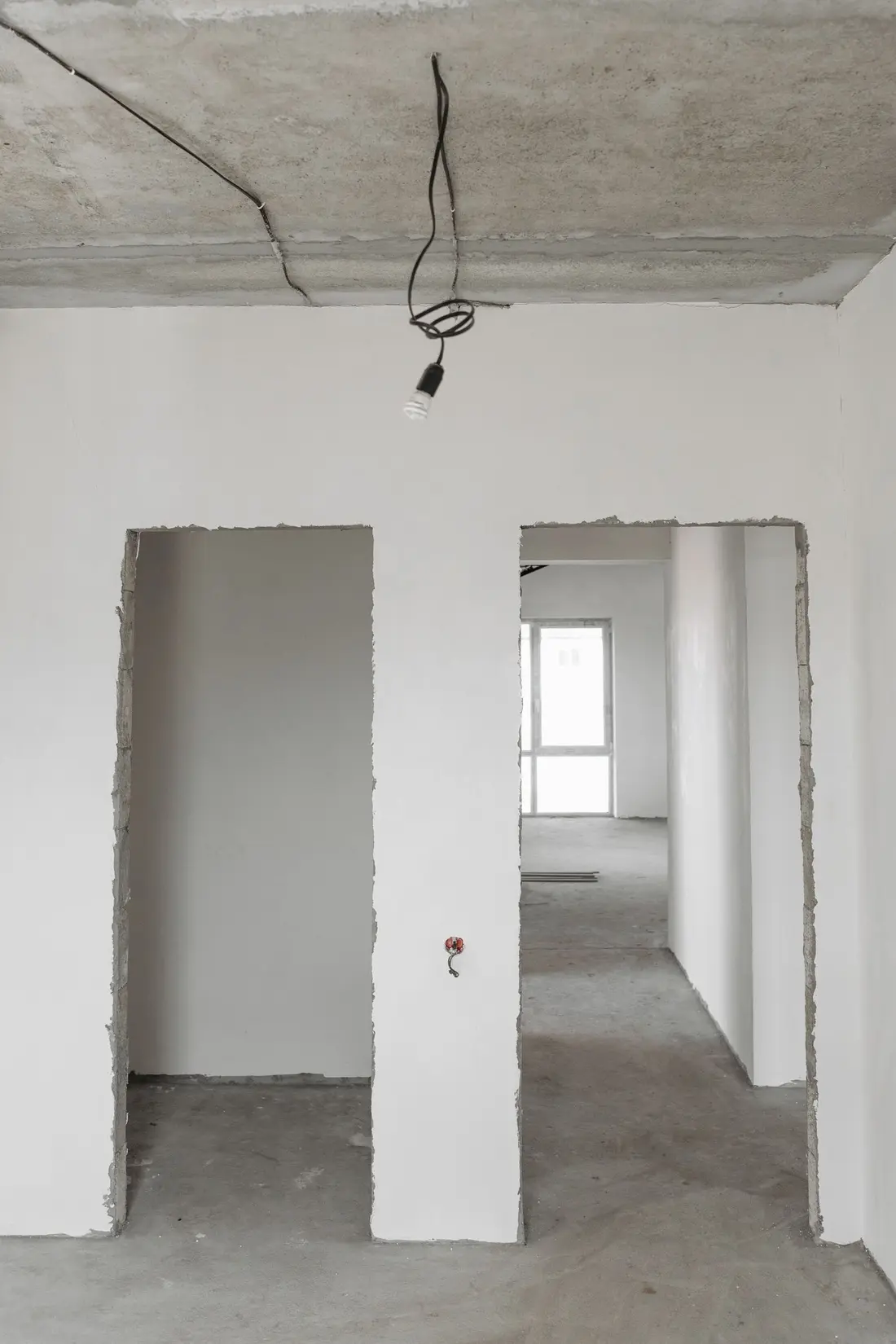
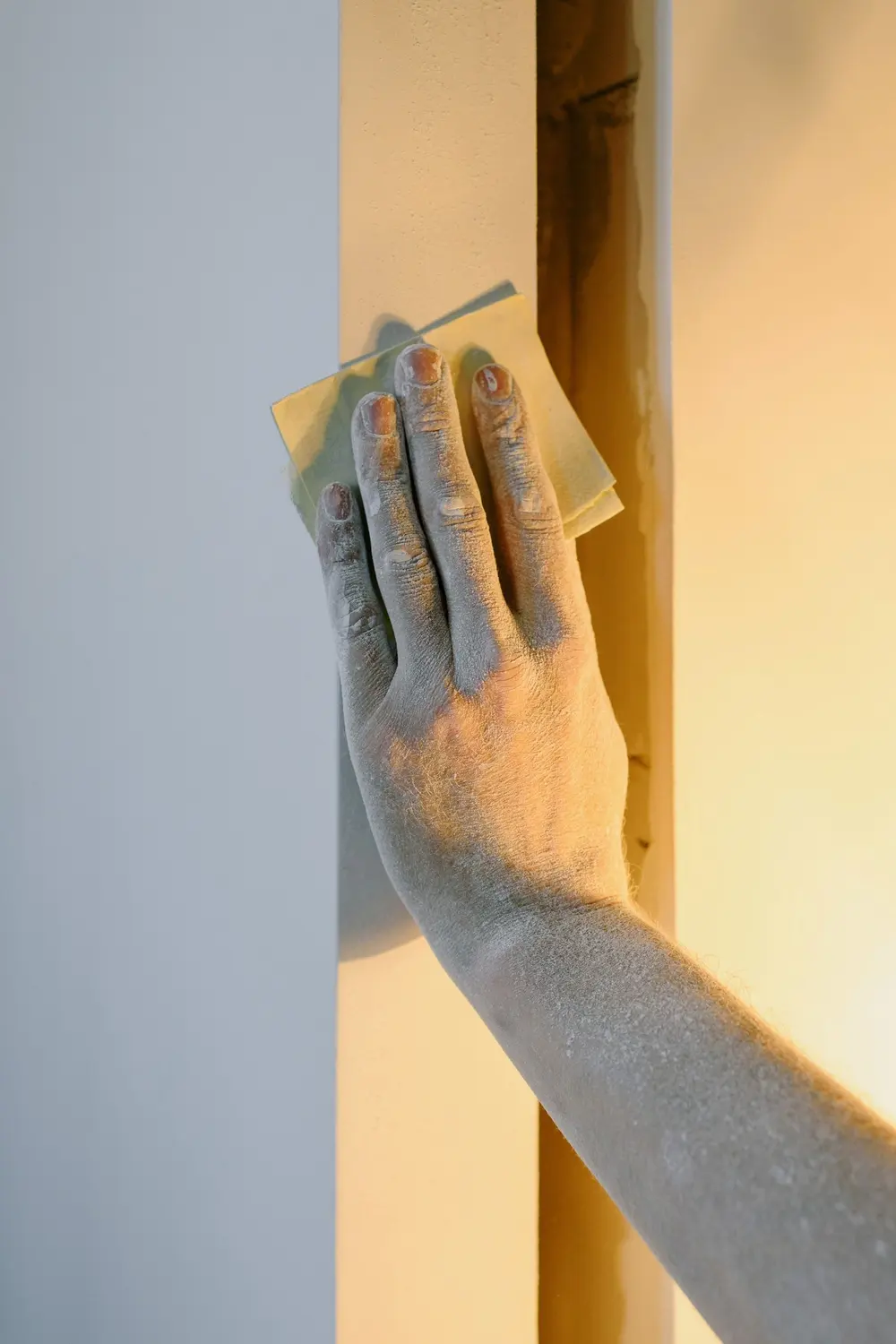
Household and office dust is relatively heavy. It settles where it falls, it stays roughly where you expect, and a normal clean deals with it. Drywall, plaster and sanding dust behaves nothing like that. It is far finer, it stays suspended in the air for a long time after the work stops, and it drifts through doorways, along corridors and up stairwells into rooms where no work was ever done.
Because it stays airborne, it settles on every upward-facing surface rather than only the obvious ones. Shelf edges, the tops of door frames and cabinets, sills, ledges, trim edges, vent and register faces, light fixtures, handrails and the perimeter strip of a floor all collect it. Those are exactly the surfaces a routine clean has no reason to visit, which is why a construction clean that is really a regular clean under a different name gets noticed within a week.
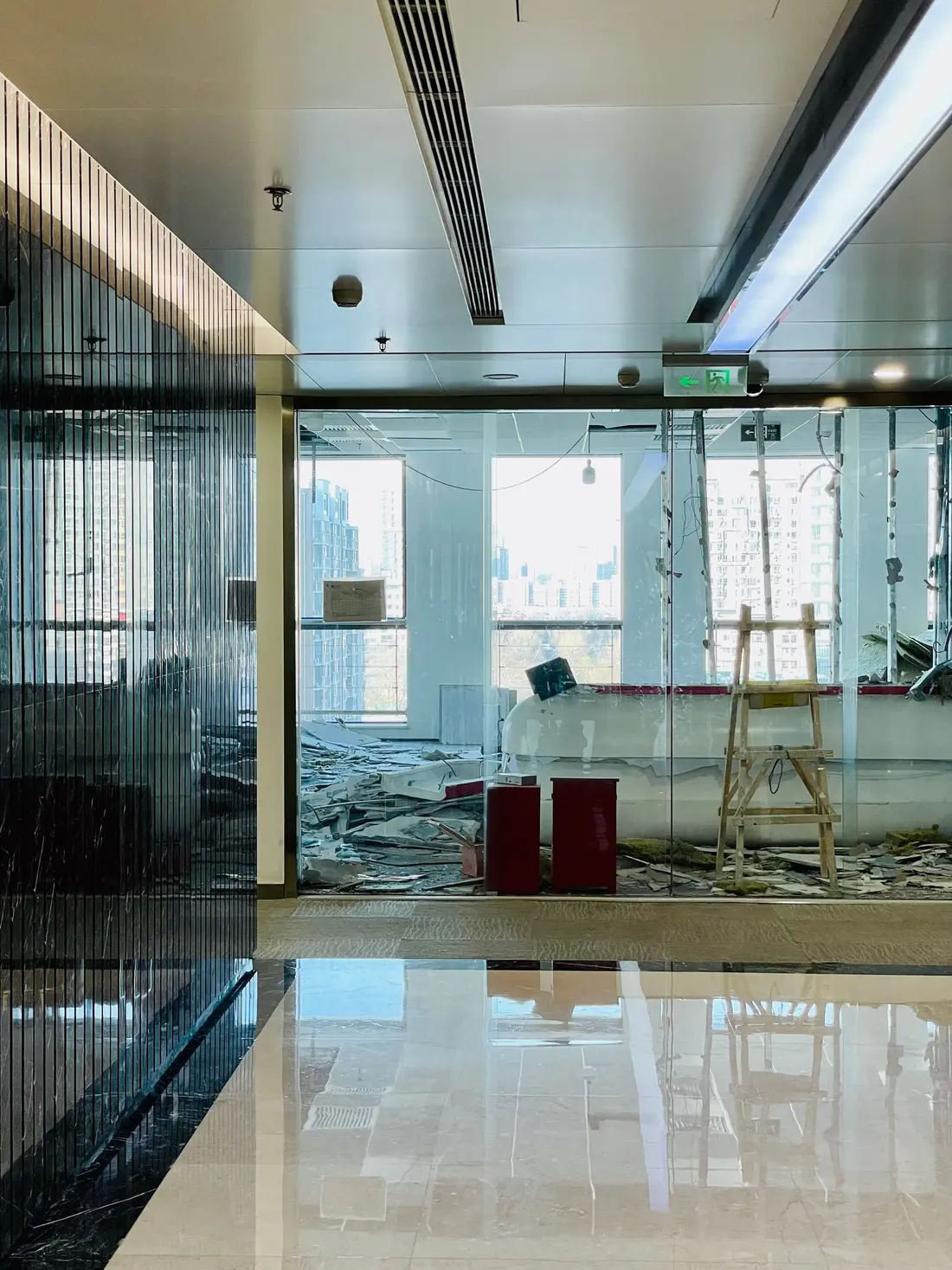
It also does not stop when the trades leave. Dust disturbed during a clean re-settles, and anyone returning for punch-list work brings more with them. That is how fine particulate behaves rather than a failure of the clean, and it is why timing matters here as much as thoroughness.
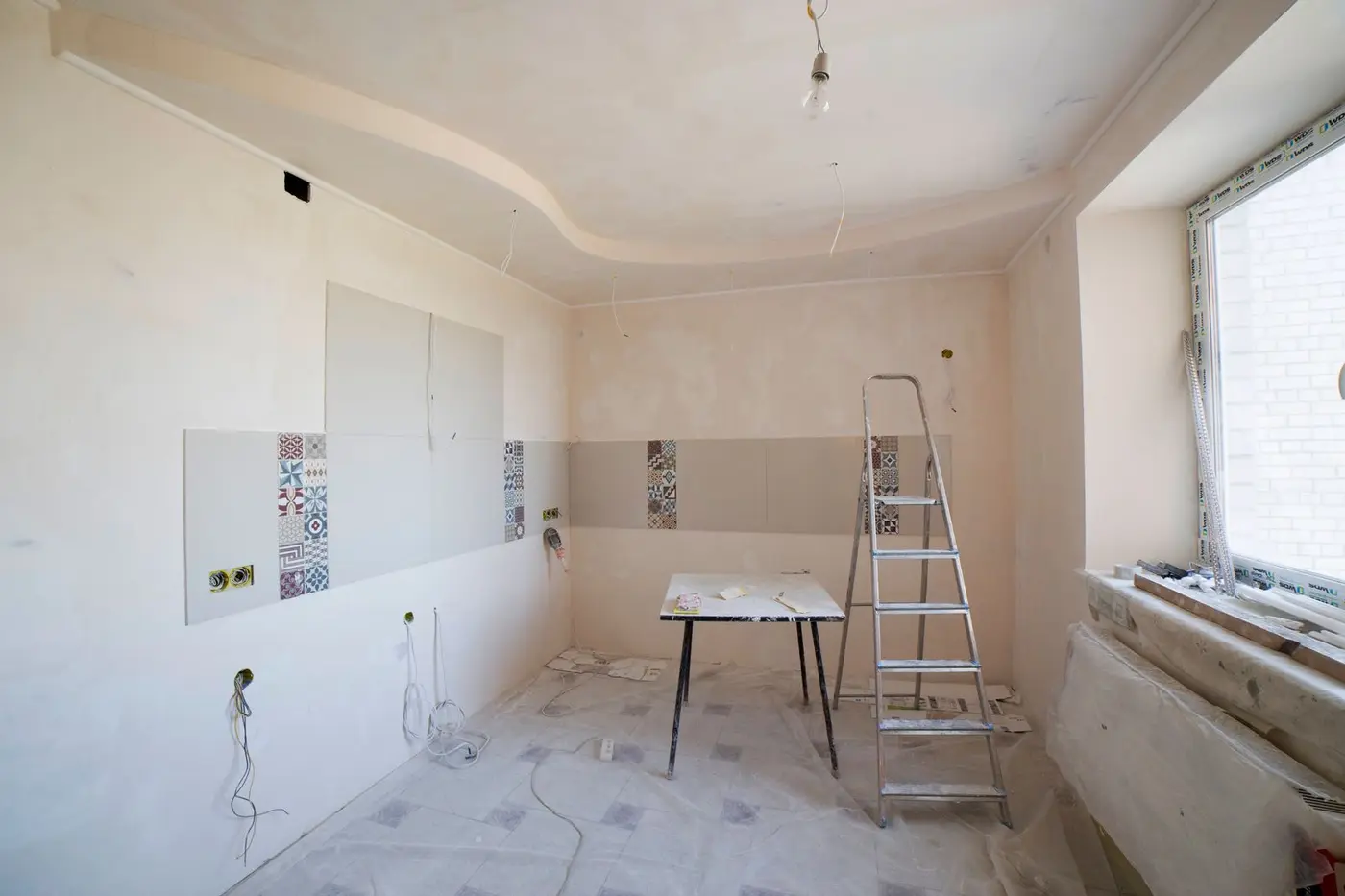
The other half of the problem is what the dust is sitting on. New paint is still curing, new grout and sealant are still setting, new stone has its own product restrictions, and stainless, plated hardware and lacquered cabinetry all mark. Method matters as much as effort, which is why the order of work and the products used are decided by what was installed rather than by habit.