The First Ten Feet
Entry glass, door handles, the mat, and the host stand are read before anyone looks at a menu. They also take the most weather in a Seattle winter.
Cleaning for the whole restaurant: dining rooms and seating, entrances and interior glass, host stations, bars and service counters, customer and staff restrooms, staff areas, floors, and trash removal. Recurring janitorial plans or one-time service, worked into the window between close and open on a scope written for your building.
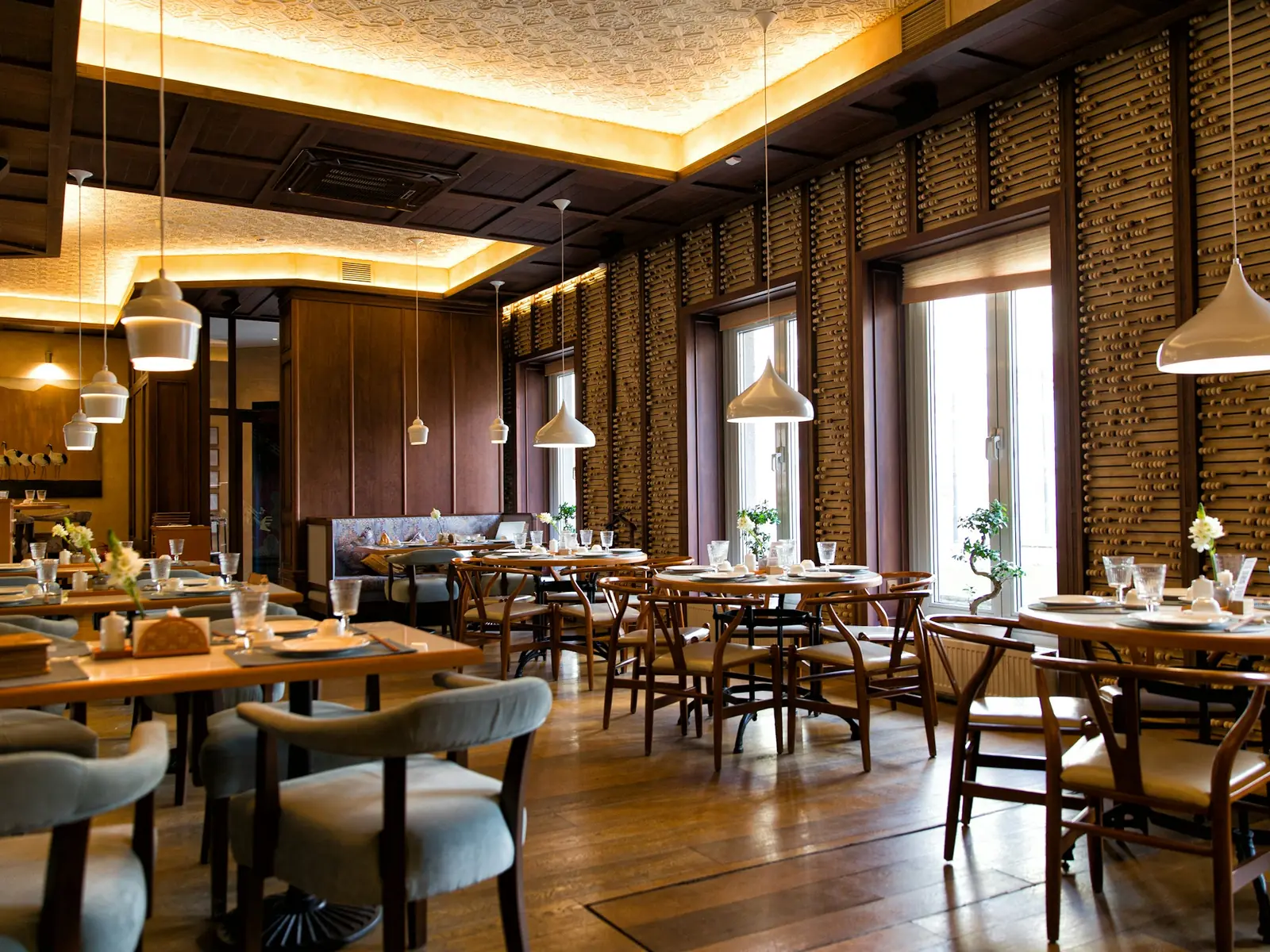
A closing crew that has been on the floor since eleven gets the table tops and the obvious floor. What waits is chair legs, booth sides, entry glass, restroom detail, and the floor line along the wall. Those are the parts guests notice from a seat.
Restaurant cleaning is scheduled cleaning of the restaurant as a facility: the dining room and customer seating, entrances and interior glass, the host station, bars and service counters, customer and staff restrooms, staff areas and corridors, floor care throughout, high-touch surfaces, and trash removal. Kitchen work can be included in the same plan when you want the whole building on one scope.
It is built for restaurant owners and general managers who need the room reset properly between close and open, rather than relying on a service team that has already worked a full shift. A recurring plan holds the standard week to week; one-time cleaning resets a room that has drifted, whether that is before reopening, after a busy season, ahead of a handover, or before a recurring plan starts.
The final scope depends on the building, and that is why it starts with a walkthrough rather than a price list.
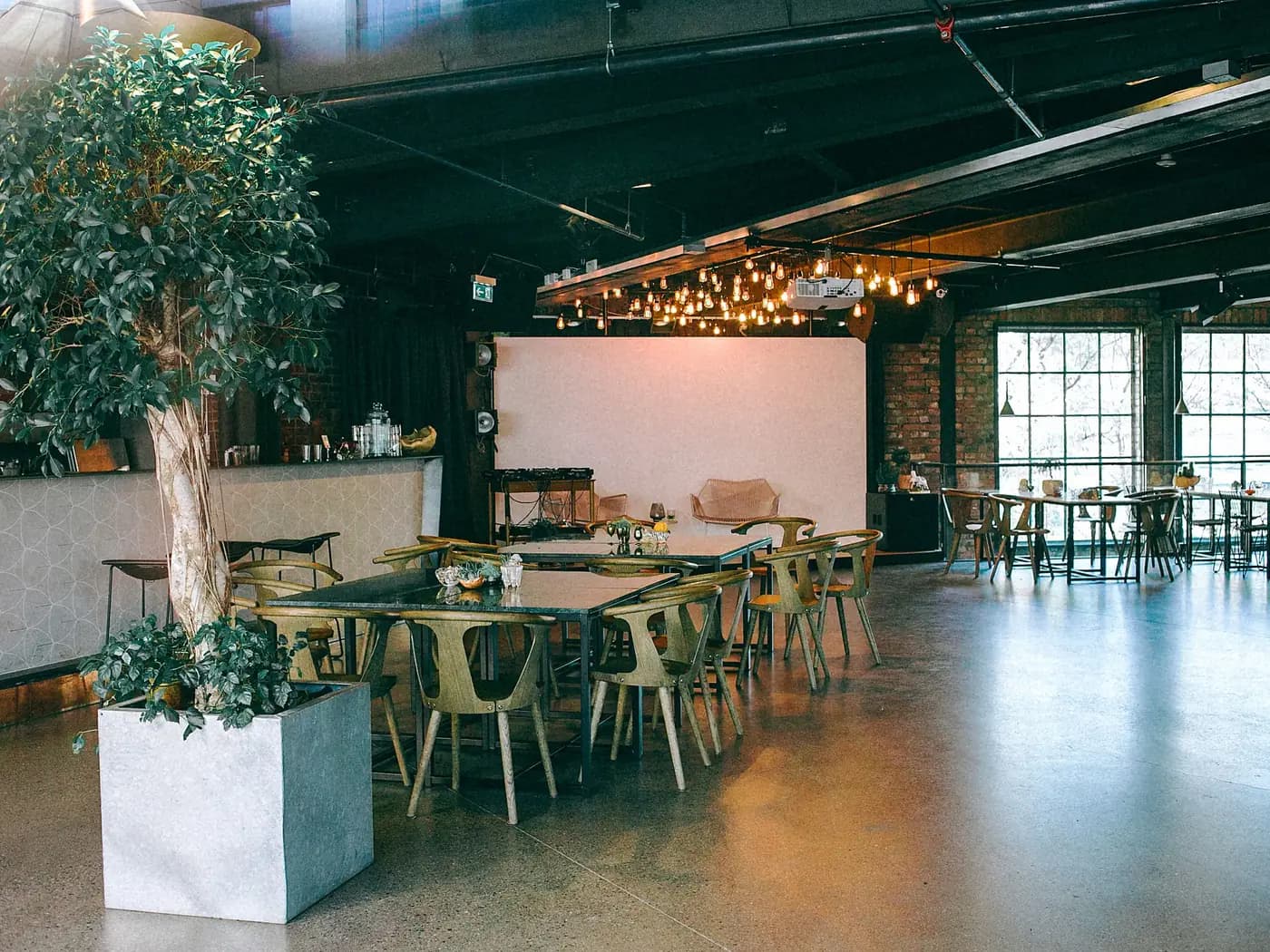
Entry glass, door handles, the mat, and the host stand are read before anyone looks at a menu. They also take the most weather in a Seattle winter.
Table bases, chair legs, booth sides, and the floor underneath are what a seated guest sees at eye level for the next ninety minutes.
The one room a guest visits alone, and the one they use to draw conclusions about the rest of the building. Condition here carries disproportionate weight.
Ledges, window sills, light switches, chair rails, and the strip of floor along the wall. Nobody lists them, but a room reads differently when they are handled.
The groups below cover a typical restaurant floor plan. Tasks are performed according to the approved scope, so your plan may include every area here or a focused subset, decided at the walkthrough.
The dining room is the largest single surface area in most restaurants and the one guests spend the longest looking at. Work here goes past wiping table tops. Bases, legs, and the floor line underneath are where a room starts looking tired. Tasks are performed according to the approved scope.
Restocking, specialty floor restoration, and window work outside routine interior glass are quoted separately from a recurring plan rather than assumed inside it.
Both services exist because they are different jobs. This page is the facility; the kitchen page is the back of house in detail. Many restaurants book both on one plan.
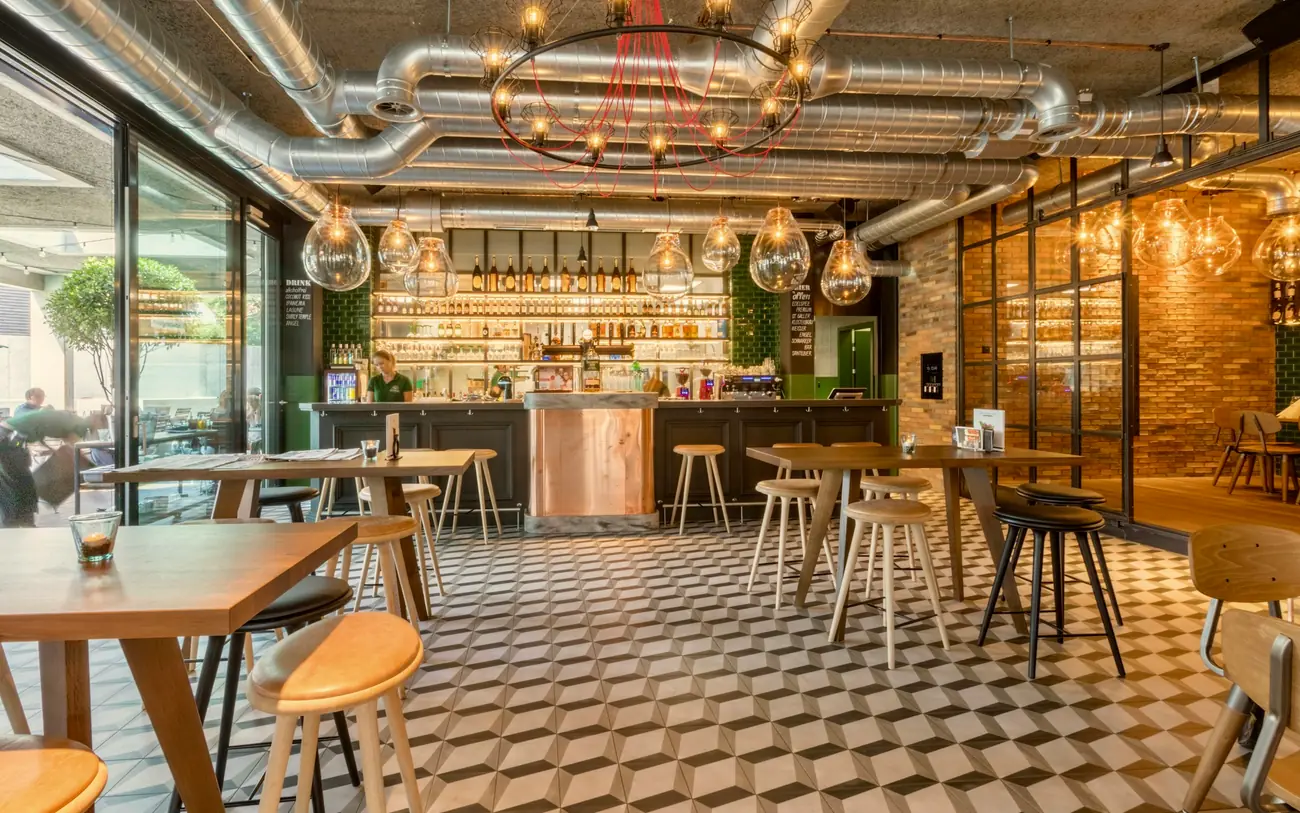
The whole facility, weighted toward the areas guests see and use. The default choice when you want one plan covering the building.
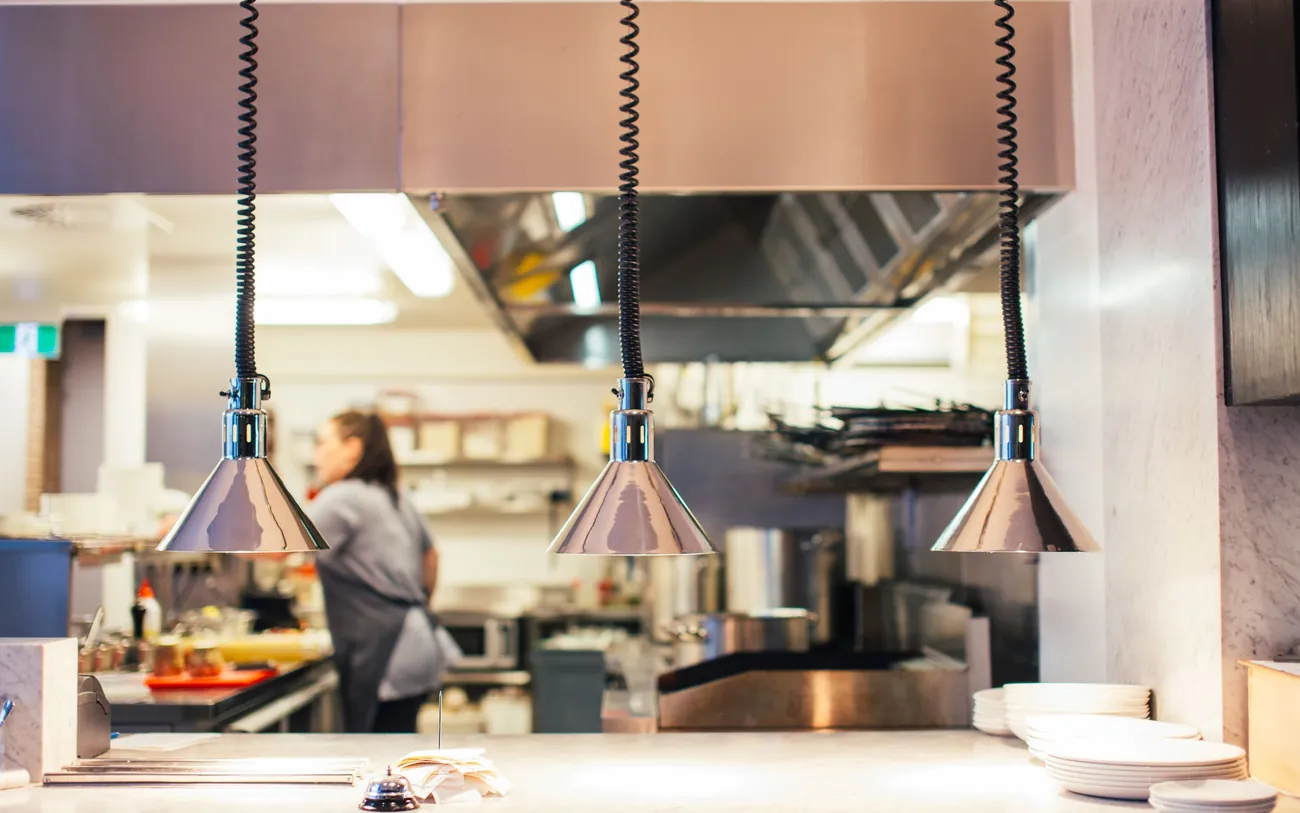
The back of house in detail. The right starting point when the kitchen is the pressure point and the dining room is already handled.
Back-of-house cleaning can be folded into a broader restaurant plan and run on the same schedule. The detailed grease-prone and food-preparation-area work, covering prep counters, kitchen floors and edges, equipment exteriors, and wall splash, is set out more thoroughly on the restaurant kitchen cleaning page, and it is worth reading before you decide how much of the kitchen belongs in your scope.
Plans can be customized for the operations below. Seating, hours, and floor plan differ enough between them that the scope is always written per restaurant.
Dining rooms with table service, a bar, customer restrooms, and staff areas that all need covering on the same overnight window.
High-turnover seating areas, self-serve stations, and entry zones that take heavy traffic through a long service day.
Compact rooms where seating, counters, and the entry are all within a few steps of each other and show wear quickly.
Late closing times, a floor that takes more than most, and restrooms under sustained pressure through the evening.
Display cases, counter fronts, small seating areas, and entryways that open early and need service before opening.
Single-location owners and multi-site groups that want the same written standard applied consistently across each room.
A restaurant has a narrow gap between the last guest and the first delivery, and it looks different in every operation. Scheduling is confirmed according to staffing, building access, your operating hours, and the agreed service plan, so the window that gets committed to is one that can actually be worked.
The room is worked once the last guest leaves and the floor has been cleared, so the dining room is ready before the opening shift arrives.
Morning service for rooms that close late or run private events, timed so the last thing done to the space is the cleaning.
Nightly through to bi-weekly, chosen from covers per week, seating count, and how quickly the floor and restrooms show it.
A single detailed cleaning ahead of reopening, a private booking, a change of operator, or the start of a recurring plan.
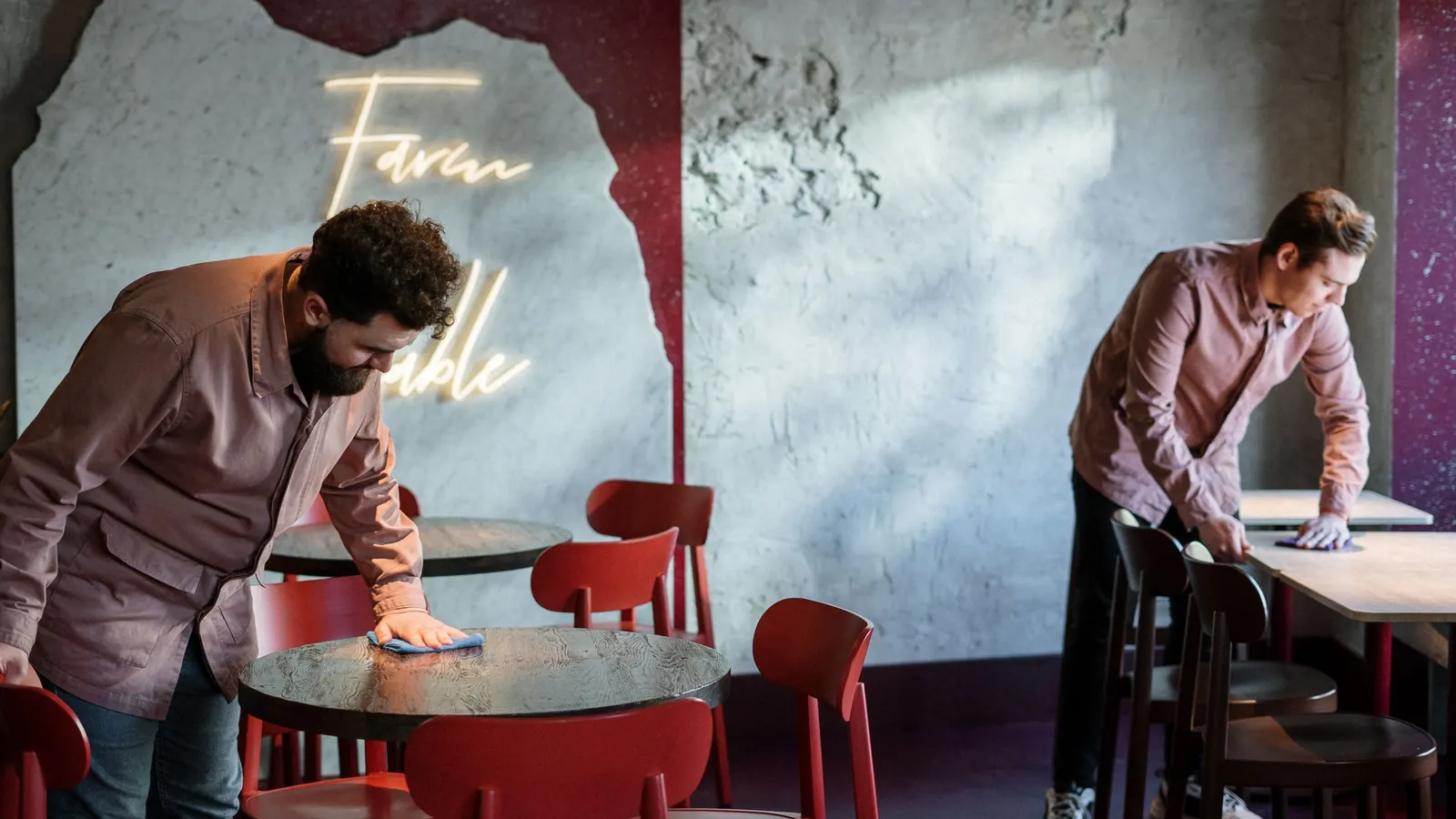
Locally owned and family-operated, not a franchise with a Seattle phone number.
Dining room, entry, bar, restrooms, staff areas. Each one is listed with what is included before you commit, so nothing depends on a verbal understanding.
Your service team should not be finishing the floor at one in the morning. The crew takes the agreed window so closing duties end when service does.
Entry glass, seating, restrooms, and floor edges are the details guests register first. They sit at the front of the priority list, not the end of the shift.
Sending the same people means they learn your floor plan, your alarm and key routine, and which corners of the room you care about most.
Front of house and back of house can run on a single written scope and one schedule, or stay separate if that suits how you operate.
Joshua Alexander runs the company and answers for it. Added seating, a shifted closing time, or a room that needs more attention gets sorted in one conversation.
From the first call to a restaurant on a steady routine. Everything that matters, from what is covered to how often and who has access, is settled in writing before the first visit.
Seating count, service style, how late you run, and the parts of the building your closing routine keeps having to skip.
We walk the building: dining room, entry, bar, restrooms, staff areas, corridors, floor types, and whether the kitchen should be part of the plan.
A room-by-room list of what is covered, how often, in what window, who holds keys, what is quoted separately, and what it costs.
The crew takes the agreed window and works the scope in order, so the opening shift walks into a room that is already done.
Seating changes, hours move, volume shifts. Scope and frequency get revisited when they do, and any change is confirmed in writing rather than assumed.
Every photo in the gallery is from a real Seattle-area job. Floor work, restored hard surfaces, and streak-free glass are the closest read available on the standard a dining room, entry, and restroom would be held to here.
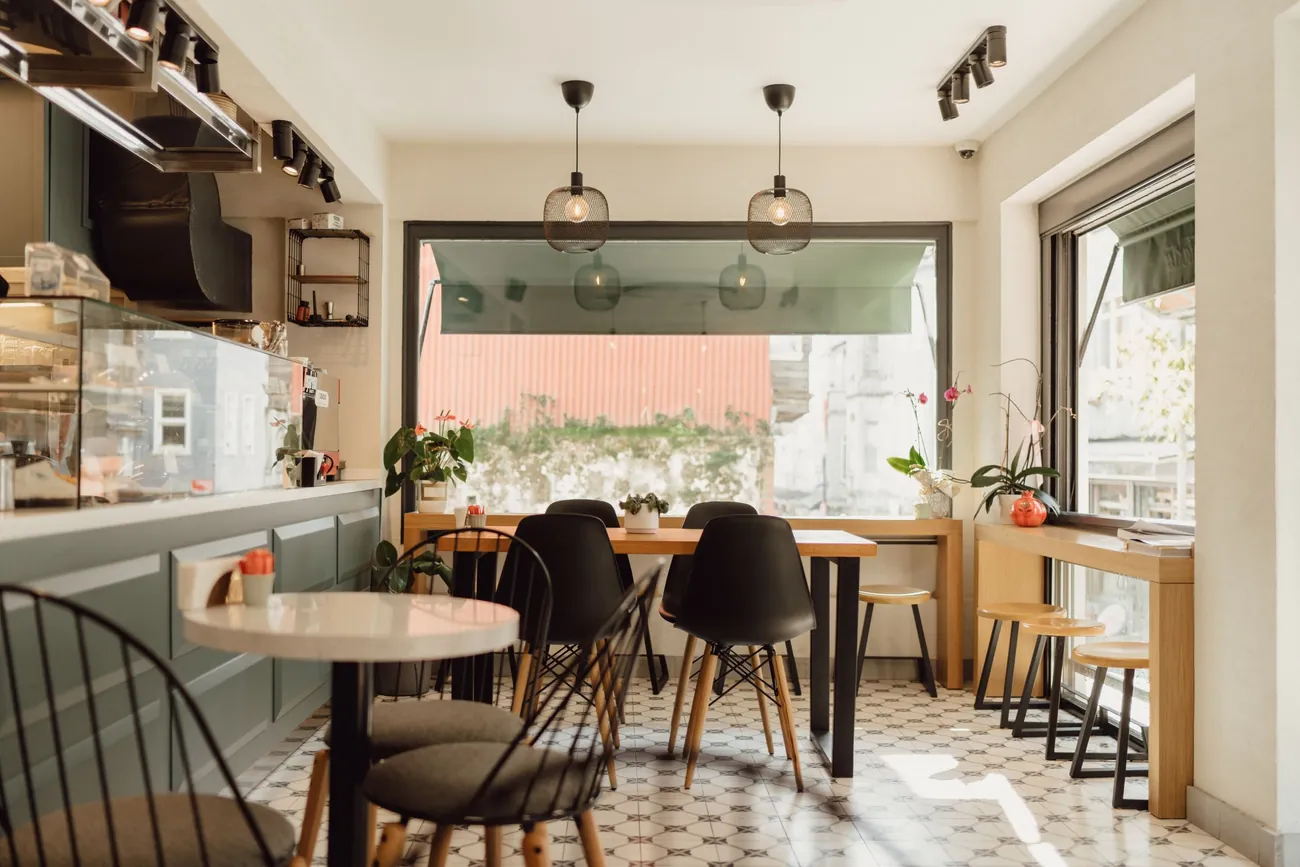
What owners and general managers ask us most before putting a restaurant on a cleaning plan.
Have a question about your restaurant?
Send us your hours and seating count, tell us which rooms matter most, and we'll say plainly what we can commit to.
A restaurant cleaning plan typically covers the dining room and customer seating, entrances and interior glass, the host station, bars and service counters, customer and staff restrooms, staff areas and back corridors, floor care throughout, high-touch surfaces, and trash removal. Which of those apply to your building is documented room by room in the written scope after a walkthrough, so the plan matches your layout rather than a template.
Yes. Back-of-house work can be added to the same plan and run on the same schedule. Detailed kitchen work, covering food-preparation surfaces, kitchen floors and edges, grease-prone areas, and equipment exteriors, is handled more thoroughly on our restaurant kitchen cleaning page, and it is worth reading before deciding how much of the back of house belongs in your scope.
That is the usual arrangement. Service starts once the last guest has left and the room has been broken down, so the dining room, entry, and restrooms are reset before opening. Early-morning service before doors open is the other common option and suits restaurants that close late. The exact window is agreed during the walkthrough based on your closing routine and building access.
Yes. Customer restrooms are part of most restaurant plans, and staff restrooms, break rooms, offices, hallways, and storage access paths can all be written into the scope. Restocking soap, paper, and liners can also be included where the supplies and responsibility for them are agreed in advance.
Yes. Recurring plans run from several nights a week for high-volume rooms to weekly or bi-weekly service for smaller operations, with a periodic detailed cleaning available on top of a lighter routine. Frequency is chosen from covers, seating count, floor type, and how quickly the room shows wear, and it can be adjusted as the season changes.
Yes. The schedule is built from your hours rather than ours. After close and before open are the two most common windows, and restaurants with a clear break between lunch and dinner sometimes use that gap instead. Scheduling is confirmed according to staffing, building access, and the agreed service plan, so what is committed to is what can actually be delivered.
Yes. One-time service works well before reopening, after a heavy seasonal stretch, ahead of a private booking, between operators, or as a reset before starting a recurring plan. It is scoped the same way as recurring work: a walkthrough first, then a written list of the rooms and tasks included.
Quotes are built per restaurant rather than from a published rate. The inputs are square footage and layout, seating count, restroom count, floor types, how often service runs, the length of the window available, the room's current condition, which areas are included, and whether the kitchen is part of the plan. The walkthrough turns those into a written scope and a number, with no obligation attached.
Seattle and the greater Puget Sound area, including Renton, Bellevue, Kent, Everett, Tukwila, Shoreline, Federal Way, Kirkland, Bothell, Tacoma, and the communities around them. Coverage depends as much on your service window as on distance, so if you are on the edge of that range it is worth a call to check whether we can commit to the schedule you need.
Back-of-house detail: prep areas, kitchen floors, grease-prone surfaces, equipment exteriors.
See kitchen cleaningThe wider janitorial category this service sits under, for offices, retail, and facilities.
View commercial cleaningA one-time detailed reset for a room that needs more than a routine visit can deliver.
Explore deep cleaningExtraction cleaning for carpeted dining areas, private rooms, and entry runners.
Explore carpet cleaningStorefront glass, entry doors, and dining-room windows, inside and out.
View commercial window cleaningPatios, entry walkways, and hard exterior surfaces around the building.
See pressure washingRestaurant Cleaning in Seattle
Nothing is committed until we have walked the building with you and talked through how you operate: which rooms are in, how often the crew comes, what time they can be in the space, whether the kitchen belongs in the plan, and what is better quoted on its own. Then it goes in writing.
Serving Seattle, Renton, Bellevue, Kent, Everett & Surrounding Areas